
Arrest Warrants in Arlington County
In Virginia, an arrest warrant is criminal process that rests on a sworn complaint and a probable-cause review. Virginia Code §§19.2-71 and 19.2-72 spell out who may issue process and what the warrant itself must contain. In Arlington County, the Office of the Magistrate examines sworn complaints from law enforcement or the public, issues and processes warrants, and holds bail hearings after an arrest. Which court keeps the file depends on the charge. Arlington GDC handles adult misdemeanors, traffic matters, and felony preliminary hearings; Arlington Circuit Court handles felony trials; Arlington JDR handles juvenile and certain family cases with extra confidentiality limits. Ask the clerk that holds the file. Arlington's Magistrate page describes local issuance and bail services for Arlington County.
Arlington County Arrest Warrant Issuance
The process starts with a complaint under oath. An authorized Arlington officer examines it, and a written complaint is required for a felony or whenever the complainant is not law enforcement. If the officer finds probable cause, a warrant may issue under Virginia's rules, directing an officer to arrest the named or well-described person and bring that person before the proper court. For Arlington County residents thinking of requesting one, the Magistrate page lists what to bring: name, address, birth date, and physical description. That page is not a public search form. It also states plainly that warrant business is not conducted by phone, so use the clerk or agency contact for an Arlington County status question. Va. Code §19.2-71 identifies issuing officers; §19.2-72 covers complaint and warrant content.
What an Arlington County Arrest Warrant Contains
Virginia law sets what a warrant must contain, but an Arlington County public case-search result may show only a few fields. Arlington GDC help lists court, case number, defendant, offense date, hearing date, charge, and Code Section. A search result there is not the full file, so do not assume it displays an affidavit, a complete identifier, a bond decision, or current status.
| Person named | Name or a description that identifies the accused with reasonable certainty. |
|---|---|
| Offense | A description of the alleged offense and related code section when listed. |
| Command | Direction to arrest and bring the accused before the appropriate court. |
| Issuing officer | The warrant bears the issuing officer’s signature under §19.2-72. |
| Case details | Court number, hearing date, process, bond, and service data vary by public record. |
Issuing Offices and Court Files
Arlington magistrates are independent judicial officers who review probable cause and handle initial bail matters, and judges and clerks identified by Virginia law can also issue process. In Arlington County, the receiving court's clerk keeps the case file while police or the Sheriff may serve the order. A court entry and an agency's service record are related but separate, so one may not match the other.
Office of the Magistrate
Arlington courts and judicial services
Issuance, process, and bail hearings
For an Arlington County case, ask the clerk which court issued process. Ask the agency whether it can answer service questions. Neither Arlington contact publishes a countywide warrant search or a guaranteed surrender route.
How Arlington County Arrest Warrants Are Served
Serving a warrant in Arlington County involves more than one office. ACPD lists a Warrant Unit within Criminal Investigations, while the Sheriff's Judicial Services Division includes Civil Process/Warrants alongside court security, transportation, and detention work. Another Virginia agency may also serve process across jurisdiction lines, so confirm the serving office from the Arlington case record. After an arrest, the magistrate may conduct a bail hearing. Arlington GDC publishes in-custody arraignment and bond calendars, and Arlington Circuit publishes a bench-warrant arraignment calendar. Those times do not guarantee a release time or a bond amount. The Sheriff's process page is a service contact for Arlington County, not an online warrant-status list.
Arlington County Arrest Warrant Roster Limits
Arlington County publishes no searchable public list of active warrants. Virginia OCIS and GDC expose case information, not complete current service status, and qualifying Arlington County felony process may be entered into VCIN and NCIC, systems restricted to law enforcement. For your own case, search the correct court and ask its clerk to confirm process. The ACPD Warrant Unit is a directory contact rather than a lookup page, and Sheriff Civil Process/Warrants handles service questions in Arlington County. A missing Arlington result can reflect court level, timing, sealing, or a protected record, so one empty search settles nothing.
Arrest Warrant vs Summons vs Bench Warrant
Virginia process uses related terms, but they point to different Arlington County case steps. A summons directs a person to appear. An arrest warrant authorizes custody after probable cause. A bench warrant is tied to a missed appearance or another court-order event, so ask what process sits in the Arlington court file before assuming anything.
| Process | Typical Basis | Arlington Confirmation |
|---|---|---|
| Arrest warrant | Sworn complaint and probable cause | Magistrate and issuing court |
| Summons | Notice to appear instead of immediate arrest | Court named on the notice |
| Bench warrant | Missed court or other noncompliance | Originating court clerk |
A sealed Arlington indictment is another distinct case status. Circuit Court may seal it until arrest under Virginia Code §19.2-192.1, which means a public search may not show the Arlington County case yet.
Arlington County Federal Warrant Scope
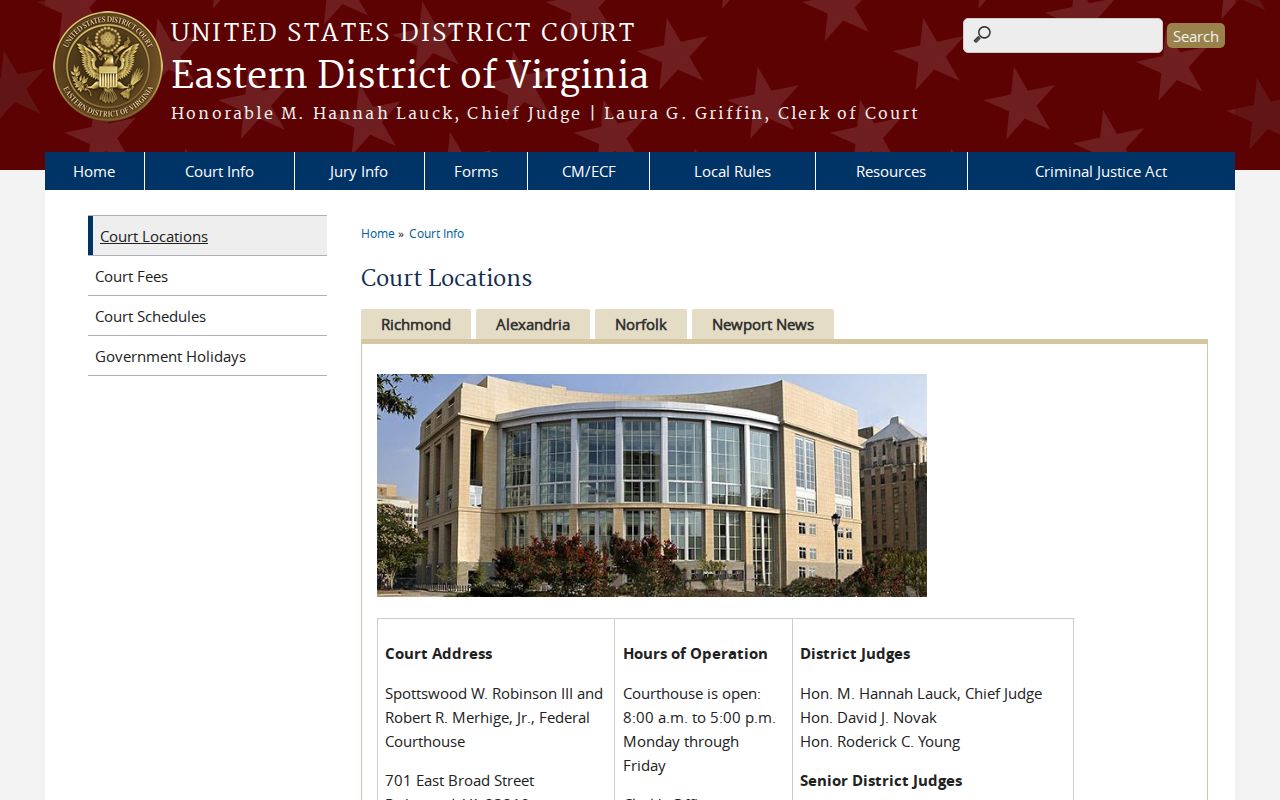
An Arlington connection does not always mean a Virginia state warrant. The Eastern District of Virginia's Alexandria Division covers Arlington County. Federal process for those cases runs through the federal court and the U.S. Marshals, and any task-force partnership is an enforcement channel rather than a public county list. The federal court location page identifies the Alexandria courthouse where Arlington County federal matters are heard; it is a location reference, not a case result.
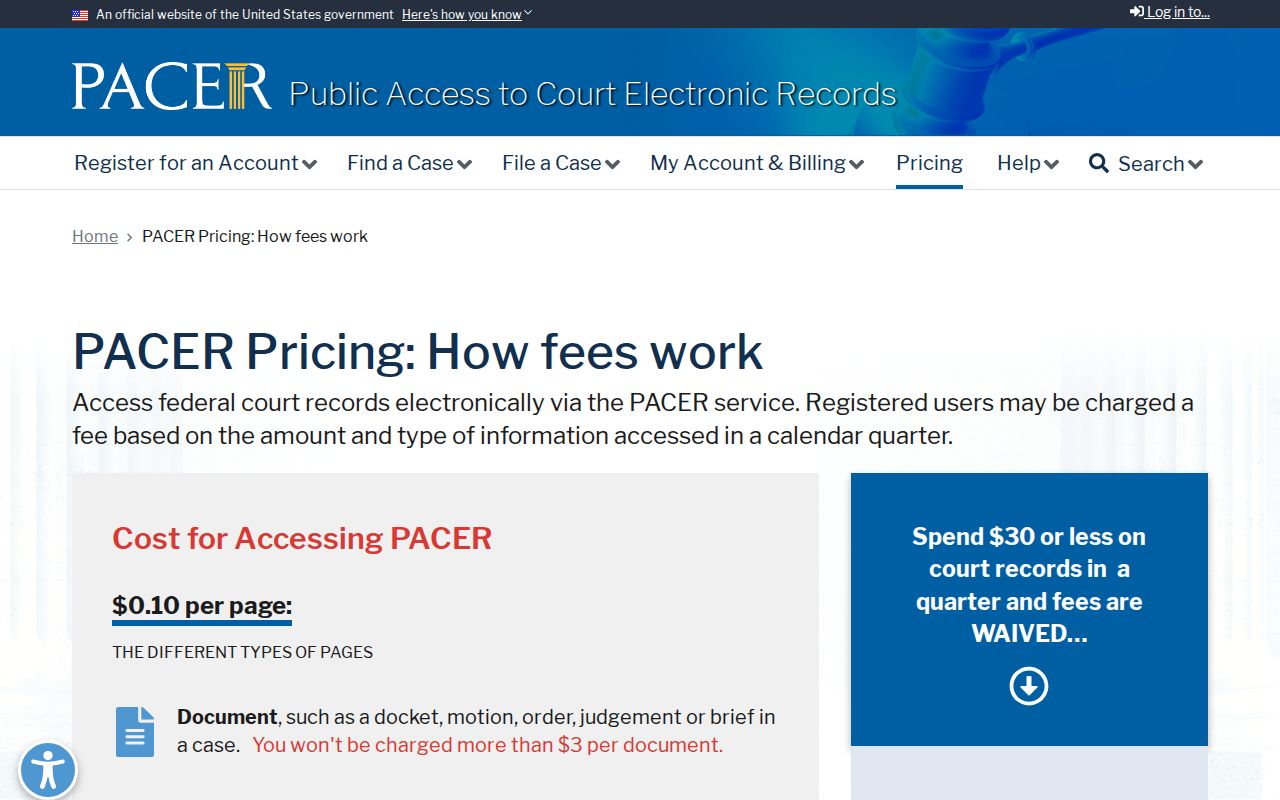
PACER can search federal docket records tied to Arlington County. It is not a complete warrant index, and its fees and limits apply to federal-case access. Review current PACER pricing before using it for a federal case search.
A federal docket entry still needs confirmation from the federal clerk or counsel.
What to Do If There’s a Warrant for You
Search the likely Arlington County court first. Call the clerk of the issuing court and ask whether an arrest warrant is recorded, which agency confirms service, and what appearance or filing route fits. Arlington County sets no surrender window or bond schedule. A Virginia attorney can review the case and contact the court for you.
Confirm first: A court search may not show current service details. Ask the issuing court or a lawyer what to do before going to the courthouse or detention facility.
After an arrest in Arlington County, the magistrate handles initial bail. The judge decides the hearing, bond, and next appearance. Keep every order, docket entry, and receipt. Then ask whether the Arlington Police or Sheriff record has been updated. Arlington County's warrant-resolution steps cover court confirmation, counsel, and the records to keep after an appearance.
Unserved Process Has No Walk-In Rule
Arlington County has no single walk-in rule. No office promises a booking checklist, release before arraignment, or a fixed bond on unserved outstanding warrants. Arlington Circuit Court lists weekday bench-warrant arraignments, and the Arlington General District Court publishes its criminal calendars. Which setting fits depends on the case. Call the Arlington clerk. Ask whether a motion, a scheduled appearance, or another court-approved step is required, or put a lawyer on the phone instead. The clerk explains filing but cannot promise a win. Arlington Circuit's criminal forms notice warns that filing does not guarantee relief.